


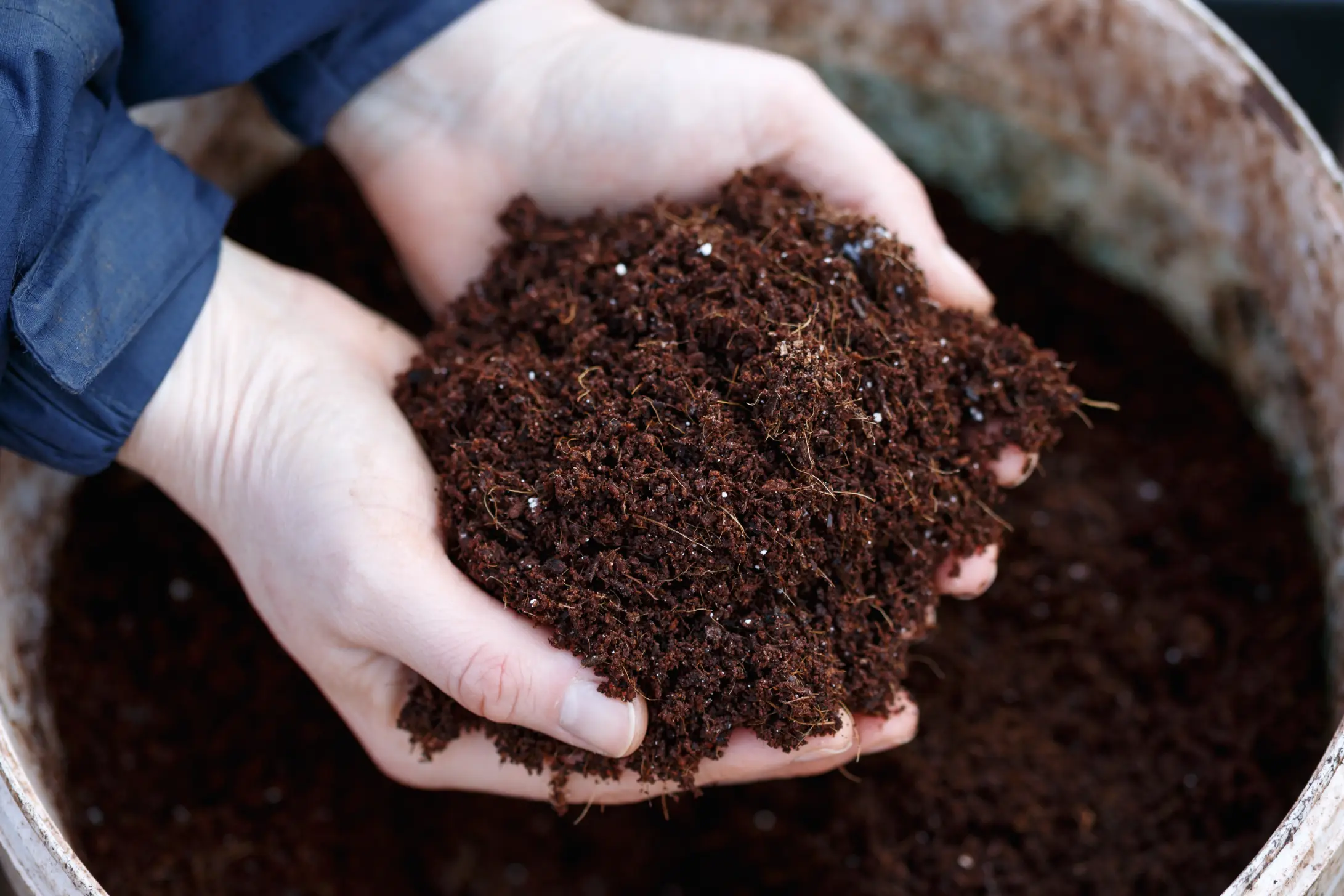
Healthy trees in the Sonoran Desert face challenges that many other parts of the country never experience. Compacted soil, limited rainfall, intense summer heat, and years of foot traffic or construction can all reduce the amount of oxygen and water reaching tree roots. For homeowners and property managers in Surprise, understanding vertical mulching can help protect valuable shade trees and improve their long-term health.
Quick Answer
Vertical mulching is an arboriculture technique that relieves compacted soil by creating a series of deep holes around a tree’s root zone. These holes are typically filled with organic material or other soil amendments to improve air circulation, water infiltration, and root growth. It is commonly used to help stressed trees recover from poor soil conditions without damaging the root system.
What Local Readers Should Know
- Vertical mulching helps reduce soil compaction that commonly develops around residential landscapes in Surprise.
- Desert soils throughout Maricopa County often become dense and difficult for tree roots to penetrate.
- Trees growing near driveways, sidewalks, patios, or frequently traveled areas may benefit from improved soil aeration.
- Healthy root systems are better equipped to handle Arizona’s extreme summer temperatures and periods of drought.
- Professional evaluation helps determine whether soil compaction is the underlying cause of declining tree health.
Why This Matters Locally
Vertical mulching is especially valuable in Surprise because our desert environment creates difficult growing conditions for many landscape trees. Clay-heavy soils, decorative rock landscaping, limited organic matter, and irrigation practices can all contribute to compacted soil over time. Communities such as Sun City Grand, Marley Park, Rancho Gabriela, and neighboring areas throughout the northwest Valley often feature mature landscape trees that benefit from periodic root zone care.
At Treelation LLC, we regularly help property owners understand how underground soil conditions affect the overall health of their trees. While branches and leaves often receive the most attention, the condition of the root system frequently determines how well a tree survives Arizona’s demanding climate.
Local Field Observations
Professional field observations throughout Surprise and surrounding communities frequently reveal compacted soils around mature shade trees. Construction activity, vehicle traffic, repeated foot traffic, decorative hardscapes, and years of irrigation can all compress soil particles.
When soil becomes compacted, air pockets disappear. Without adequate oxygen, tree roots struggle to absorb water and nutrients efficiently, even when irrigation schedules appear appropriate.
What Is Vertical Mulching?
Vertical mulching is a soil improvement technique that creates evenly spaced holes throughout a tree’s root zone to increase oxygen, water movement, and root development.
An arborist uses specialized equipment to drill or excavate narrow holes several inches wide and often 12 to 18 inches deep, depending on site conditions. These openings are then filled with materials such as compost, mulch, or other appropriate soil amendments that encourage healthier soil structure.
Unlike trenching or excavation, vertical mulching minimizes disturbance while improving the environment where roots naturally grow.
How Vertical Mulching Helps Trees
Vertical mulching improves the root environment by increasing oxygen availability, enhancing drainage, and encouraging healthy root expansion.
Benefits may include:
- Improved water infiltration during irrigation
- Better oxygen exchange within compacted soil
- Increased microbial activity
- Greater nutrient availability
- Reduced runoff from heavily compacted surfaces
- Healthier root development over time
- Improved resistance to environmental stress
Because trees rely heavily on healthy root systems, improving soil conditions often supports better canopy growth and overall vigor.
Local Impact
Compacted soil can significantly affect landscape trees throughout Surprise, particularly during long periods of high temperatures.
Trees under root stress may:
- Require more irrigation without showing improvement
- Experience premature leaf drop
- Produce smaller leaves
- Show thinning canopies
- Become more vulnerable to insects and disease
- Recover more slowly after summer heat waves or monsoon weather
Improving soil conditions helps trees use available water more efficiently, which is especially important in Arizona’s arid climate.
Warning Signs Your Tree May Benefit From Vertical Mulching
Several visible symptoms may indicate compacted soil around a tree.
Common warning signs include:
- Sparse or thinning canopy
- Slow annual growth
- Yellowing or undersized leaves
- Standing water after irrigation
- Extremely hard soil beneath the canopy
- Exposed surface roots
- Tree decline following nearby construction
- Reduced vigor despite regular watering
These symptoms do not automatically mean vertical mulching is necessary, but they often justify a professional assessment.
When to Call a Professional
A professional arborist can determine whether soil compaction is limiting your tree’s health and whether vertical mulching is an appropriate solution.
Homeowners can monitor irrigation performance, inspect for obvious soil compaction, and observe changes in canopy health. However, diagnosing root problems often requires experience because many tree issues produce similar above-ground symptoms.
If a mature tree begins declining without an obvious cause, professional evaluation can help identify contributing soil conditions before the damage becomes severe.
Common Local Causes of Soil Compaction
Several local factors commonly contribute to compacted soil around trees in Surprise.
1. Construction Activity
New patios, sidewalks, driveways, and home additions often compress soil around existing trees.
2. Foot Traffic
Frequently used pathways and gathering areas gradually compact soil over many years.
3. Decorative Rock Landscaping
Rock landscapes common throughout the West Valley can contribute to increased soil density and reduced organic matter.
4. Heavy Clay Soils
Many areas of Maricopa County naturally contain soils that compact more readily than sandy or loamy soils.
5. Irrigation Practices
Repeated watering without improving soil structure can sometimes worsen drainage problems in already compacted ground.
Prevention and Maintenance
Preventing soil compaction is easier than correcting severe root stress.
Helpful maintenance practices include:
- Avoid parking vehicles beneath tree canopies.
- Minimize repeated foot traffic over major root zones.
- Apply organic mulch around trees while keeping it away from the trunk.
- Water deeply according to seasonal tree needs.
- Schedule periodic arborist inspections for mature landscape trees.
- Protect root zones during construction projects.
Healthy soil supports healthier trees throughout every season.
Expected Results
Vertical mulching can improve soil conditions and support healthier root growth, but results depend on the tree’s overall condition, species, and the severity of soil compaction.
Many trees gradually respond with improved vigor over subsequent growing seasons as roots gain better access to oxygen, moisture, and nutrients. Severely declining trees may require additional treatments alongside soil improvement.
Common Mistakes
Mistake: Adding more water to a stressed tree without addressing compacted soil.
Consequence: Roots still struggle to absorb moisture effectively.
Better Approach: Evaluate soil conditions before increasing irrigation.
Mistake: Digging extensively around mature roots.
Consequence: Root damage may create additional stress.
Better Approach: Use professional techniques designed to minimize root injury.
Mistake: Assuming declining leaves always indicate pests.
Consequence: The actual root problem remains untreated.
Better Approach: Consider both above-ground and below-ground health during diagnosis.
Common Local Scenario
A homeowner notices that a mature shade tree near the driveway has gradually developed a thinner canopy despite regular irrigation. The soil beneath the tree feels extremely hard, and water pools briefly after watering. Following a professional evaluation, soil compaction is identified as a contributing factor, and vertical mulching becomes part of a broader tree care plan designed to improve root health over time.
Related Service Solutions
Vertical mulching often works best alongside other professional tree care services, including:
- Tree health evaluations
- Deep root fertilization when appropriate
- Soil condition assessments
- Structural pruning
- Tree risk inspections
- Ongoing preventive maintenance
Every property has unique conditions, making individualized recommendations important.
Comparing Your Options
| Option | Advantages | Limitations |
|---|---|---|
| DIY soil aeration | May help small landscape areas | Can accidentally damage tree roots |
| Vertical mulching | Improves root zone with minimal disturbance | Requires specialized equipment and expertise |
| Complete soil replacement | Addresses severe soil issues | Often impractical around established trees |
Service Areas
We proudly serve homeowners and property managers throughout Surprise, Sun City, Sun City West, Peoria, El Mirage, Waddell, Buckeye, and nearby communities across the northwest Phoenix metropolitan area.
Cost of Ignoring the Issue
Ignoring soil compaction can gradually reduce tree health, leading to slower growth, increased stress during extreme heat, declining appearance, and greater susceptibility to pests and disease. Addressing soil conditions early often helps preserve mature trees that provide valuable shade and beauty for local properties.
Frequently Asked Questions
Does every tree in Surprise need vertical mulching?
No. Vertical mulching is most beneficial for trees growing in compacted soils or showing symptoms of root stress. A professional assessment helps determine whether it is appropriate for your specific landscape.
How do I know if my soil is compacted?
Hard ground, poor water infiltration, standing water after irrigation, and declining tree health are common indicators. An arborist can evaluate soil conditions more accurately.
Is vertical mulching safe for mature trees?
Yes, when performed correctly. The process is designed to improve soil conditions while minimizing disturbance to established root systems.
Can vertical mulching help trees recover after construction in Surprise?
Yes. Construction often compacts soil around existing trees. Vertical mulching may be recommended as part of a recovery plan after professional evaluation.
How long does it take to see results?
Tree response varies depending on species, health, and site conditions. Improvements generally occur gradually as roots recover and soil conditions improve.
Can vertical mulching replace proper watering?
No. Vertical mulching improves the soil environment, but trees still require appropriate irrigation based on Arizona’s climate and seasonal conditions.
Is vertical mulching useful for desert-adapted trees?
Sometimes. Even native or drought-tolerant species can experience soil compaction that limits healthy root function.
Should homeowners attempt vertical mulching themselves?
Small landscape aeration projects differ significantly from professional vertical mulching around mature trees. Improper drilling can damage roots, so established trees should be evaluated by qualified professionals.
Protect Your Trees From the Ground Up
Healthy roots create healthier trees. If you’re concerned about declining trees or compacted soil around your property in Surprise or the surrounding communities, we’re here to help evaluate your landscape and recommend practical solutions.