

Desert Tree Mulching in Phoenix, AZ
Sonoran-Specific Services in the West Valley
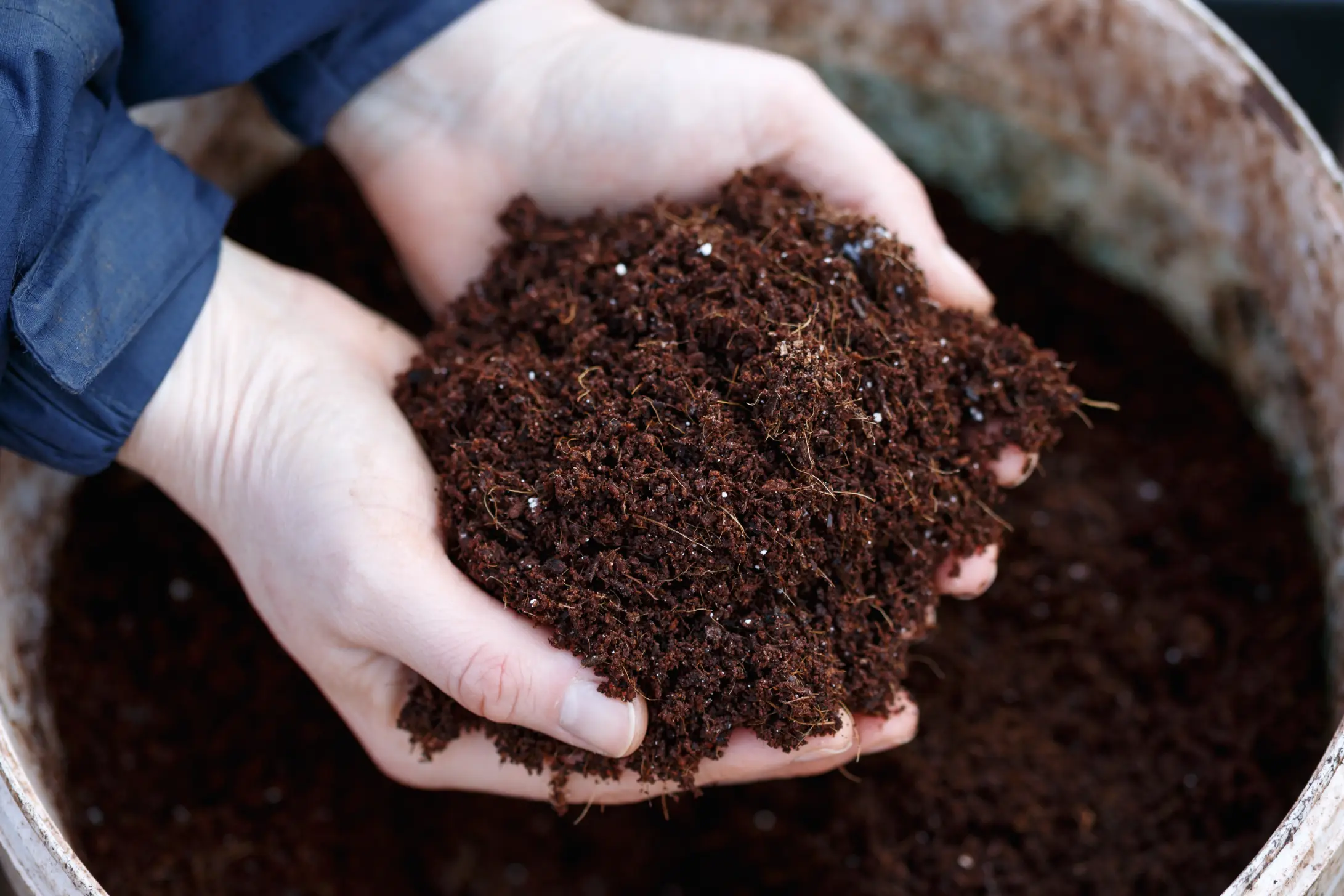
In the Sonoran Desert, mulch is not just a finishing touch. It is one of the most important tools for protecting tree roots, improving soil, and helping your watering efforts actually work. Based in Surprise, Treelation provides tree mulching in Phoenix, AZ and throughout the West Valley, designed for real desert conditions, not generic landscaping advice borrowed from cooler climates. Our coarse organic mulch helps with tree root insulation, soil moisture retention, and long-term soil conditioning in the places where Valley trees struggle most. When the heat sets in, the right arborist mulch can make a meaningful difference in how your trees survive and grow.
Protect Your Tree Roots Today Call Before the Heat Takes a Toll
Tree Mulching Built for the Sonoran Desert
We have been caring for Valley trees since 2012, and our approach has always been health-first and field-informed. Based right in Surprise, we serve homeowners across the West Valley, including Sun City, Peoria, Glendale, Goodyear, and Buckeye, with greater Phoenix metro service available on request.
Our work is rooted in actual desert tree care, not generic mulch recommendations. We look at mulching through the lens of tree biology, soil behavior, and water use in Arizona heat. That matters because what works in other parts of the country often fails badly here.
Why Standard Mulch Fails in Arizona
A lot of store-bought mulch products look neat on day one, but they are a poor fit for Sonoran conditions. Fine-milled bark, dyed commercial mulch, and decorative ground covers may seem convenient, but they often do very little for real tree health.
In our climate, generic mulch tends to:
- Dry out too fast
- Break down poorly in harsh heat
- Form a crust that sheds water
- Add little value to desert soil development
- Trap heat instead of buffering it
Read More
Rock is even worse around trees. Decorative granite and similar materials act like heat batteries. They absorb intense daytime sun, then radiate that heat back into the soil long after sunset. That is rough on feeder roots and especially tough on citrus and other shallow-rooted trees.
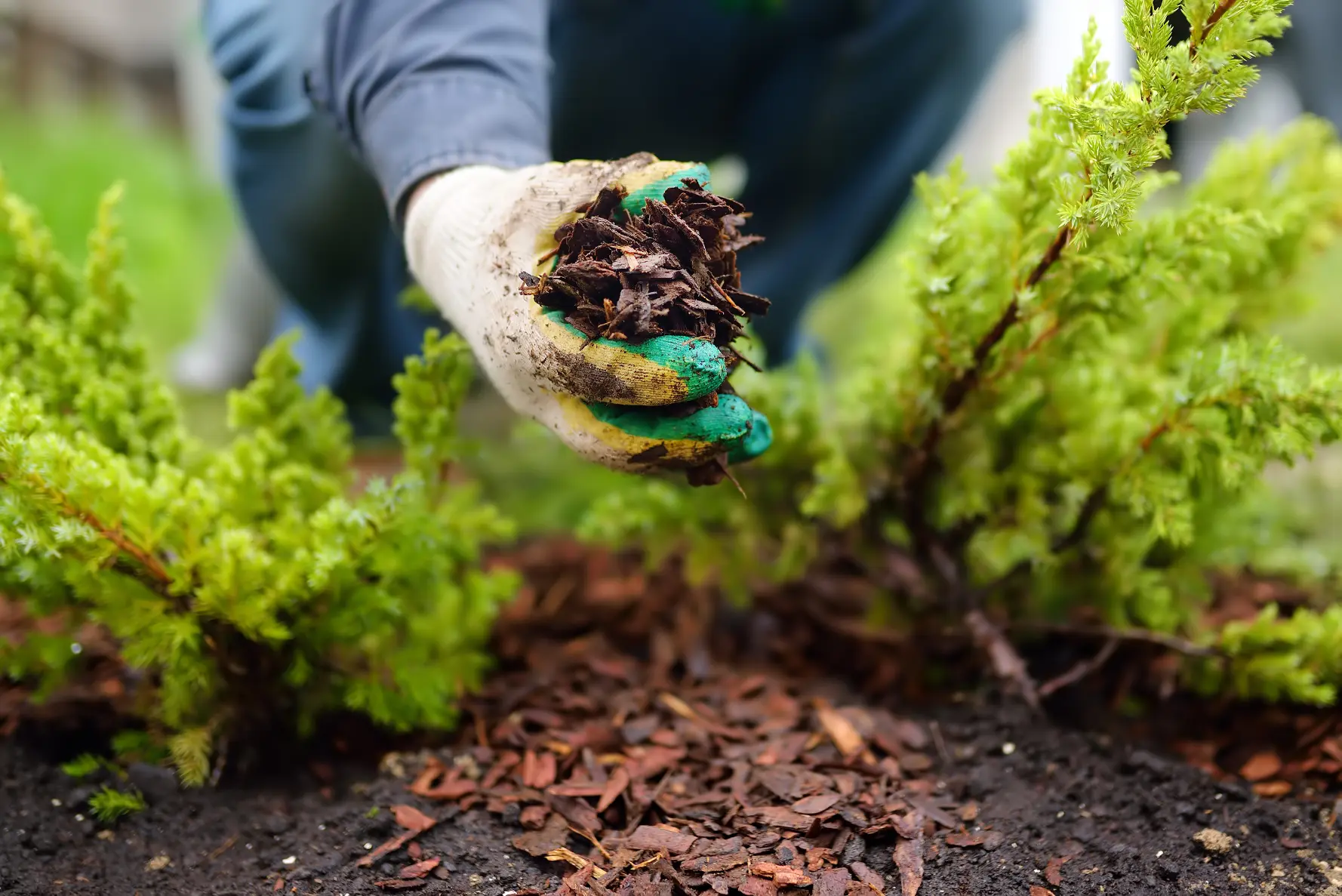
Our anti-generic approach is simple. We use coarse organic mulch made from raw arborist-grade wood chips because it behaves more like a natural forest floor. It breathes better, insulates better, and improves the soil as it breaks down.
Our Sonoran-Specific Mulching Services
We offer targeted mulching and soil protection services designed specifically for desert landscapes and West Valley tree care needs.
Schedule Your Mulching Service Call for a Root Zone Assessment
Arborist-Grade Organic Mulching
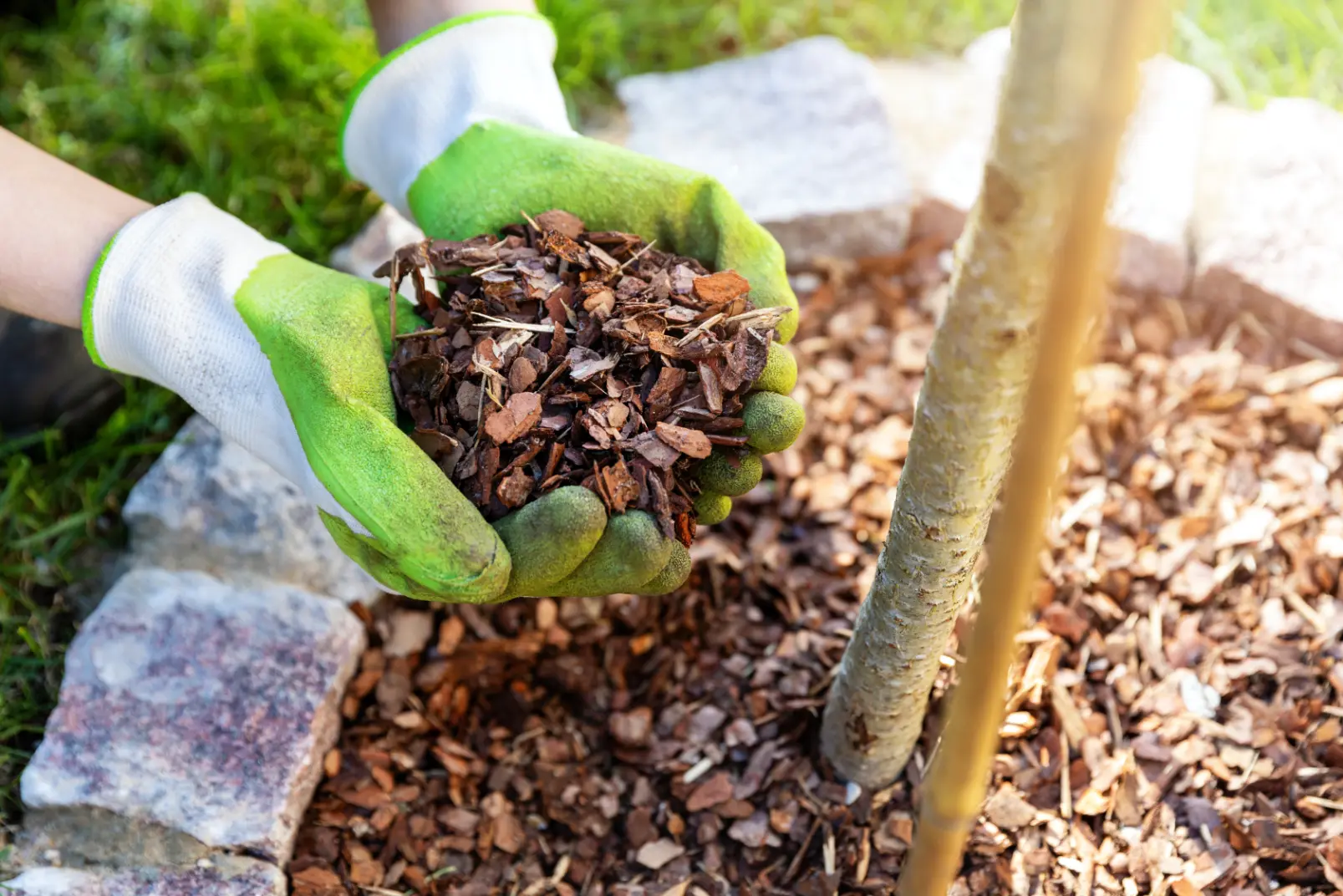
We apply thick layers of coarse, un-dyed wood chips around the drip line of native and citrus trees. This creates a productive mulch zone that shields roots, locks in moisture, and supports healthier soil over time.
Citrus Root Insulation
Citrus trees often have sensitive, shallow roots that suffer fast during dry heat waves. Our citrus root insulation service uses deeper mulch layering to create better thermal protection and reduce stress during the hottest stretches of the year.
Desert Soil Conditioning & Vertical Mulching
Some yards need more than surface coverage. For heavily compacted ground or caliche layers, we use vertical mulching—drilling targeted holes throughout the root zone and packing them with organic material. This localized aeration breaks up tough soil, allowing deep oxygen, nutrients, and water to finally reach the root system.
Mulch Ring Refurbishment
If an established tree is surrounded by weeds, old compacted material, or decorative rock, we can reset that area into a healthier nutrient zone. We clear out what is working against the tree and rebuild the space with proper coarse organic mulch.
Why Arborist-Grade Wood Chips Work Better
The difference between big-box mulch and arborist-grade wood chips is huge, especially in the desert. We use coarse, raw chips because they create a protective wood chip ground cover that supports the root zone instead of just covering it.
This type of mulch helps with:
- Tree root insulation during brutal summer heat
- Soil moisture retention between watering cycles
- Reduced surface evaporation
- Better microbial and fungal activity in the soil
- Gradual improvement of compacted desert ground
In the Phoenix area, bare soil and rock-covered root zones can reach extreme temperatures that stress or even kill roots from the ground up. Proper arborist mulch can lower soil temperatures significantly while also helping water stay available longer where the tree actually needs it.
How We Handle The Work
We follow a process built around tree health, not shortcuts.
- Site and Soil Assessment – We inspect the drip line, evaluate compaction, and look for drainage or overwatering issues before adding material.
- Clearing the Base – We remove grass, weeds, and heat-trapping rock from the critical root zone.
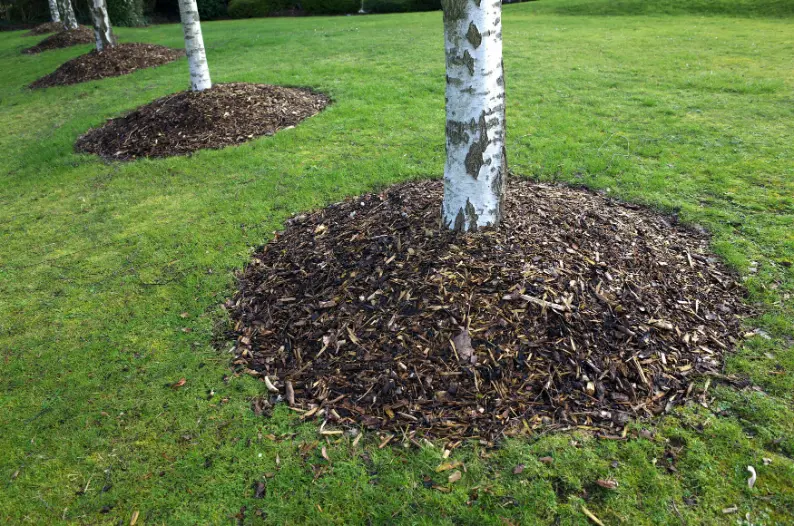
- Proper Mulch Application – We spread raw, coarse arborist-grade wood chips about 3 to 4 inches deep across the drip line.
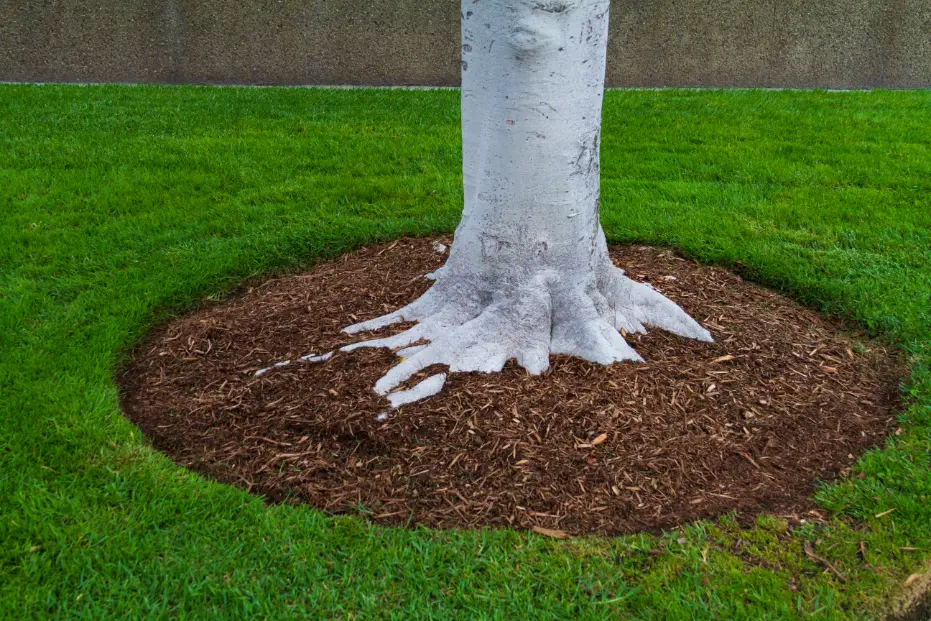
- Donut-Shaped Spacing – We keep mulch 3 to 6 inches away from the trunk to prevent bark rot and fungal issues.
- Watering Guidance – We lightly settle the mulch and explain how to adjust watering because mulched soil holds moisture much longer.
This last step matters more than most people realize. Mulch and irrigation are connected. Once the root zone is insulated and evaporation drops, your watering schedule usually needs to change too.
Why Homeowners Choose Treelation
We live and work in this climate, so we understand how differently trees behave in May, July, and October across the West Valley. We know how local soils respond, how heat builds at the surface, and why one-size-fits-all landscaping advice does not cut it here.
Homeowners choose us because we offer:
- Local desert tree care experience since 2012
- Arborist-reviewed, field-informed techniques
- A health-first approach to mulching and root care
- No dyed mulch or plastic weed barriers
- Practical guidance on water optimization
We’re proud to serve the community with smart, desert-specific care, including Surprise, AZ, wood chips applications that actually support root health instead of just making a yard look finished.
Frequently Asked Questions
Pricing depends on canopy size and how much prep work is needed. A standard application for a medium-sized tree often ranges from $150 to $300, including labor and arborist-grade wood chips.
Late winter through early spring, especially February through April, is usually ideal. It helps protect roots before the worst summer heat arrives.
We don’t recommend it around trees. Rock traps and radiates heat, while coarse wood chip ground cover insulates the soil and supports healthier root conditions.
We use a donut shape to prevent moisture from sitting against the bark. Piling mulch against the trunk can lead to pests, fungal issues, and trunk rot.
Give Your Trees A Better Buffer Against Desert Heat
If your trees are sitting in bare dirt, surrounded by rock, or struggling through long hot stretches, the problem may start at the root zone. Our Sonoran-specific mulching service is designed to protect roots, improve soil, and make your watering setup more effective through the toughest parts of the year. At Treelation LLC, we do not treat mulch like decoration. We use it as a practical tool for healthier desert trees and stronger long-term growth. So don’t wait: contact us today to schedule a site assessment and get the right mulch system in place for your landscape.
Book Your Mulch Assessment Today Call Now to Shield Your Trees